
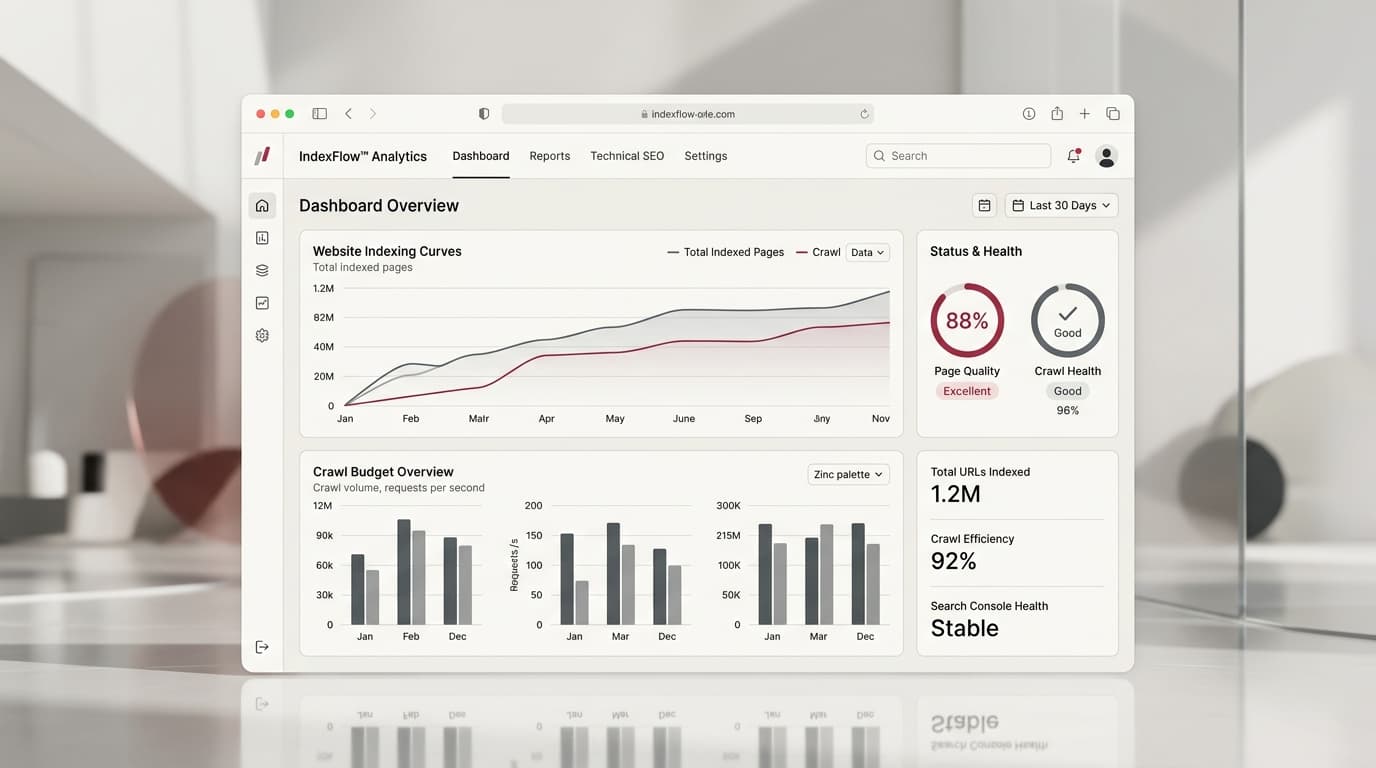
If an audit of your Google Search Console (GSC) reveals thousands of URLs clustered under the "Crawled - currently not indexed" classification, you are encountering Google's strict Page Quality gatekeeper. This status indicates neither a server fault nor an errant noindex directive. Googlebot has successfully fetched and parsed your page, but decided the URL falls short of Google's Page Quality (PQ) threshold required for indexation.
With modern search algorithms raising indexing scrutiny, every URL must justify its indexing footprint. This guide dissects the exact mechanics behind this status, explores why Google crawls yet excludes specific pages, and outlines a data-driven diagnostic and remediation roadmap using Search Console metrics.
1. What Does "Crawled - Currently Not Indexed" Actually Mean?
Within GSC Index Coverage reports, two statuses are frequently conflated:
- Discovered - currently not indexed: Google knows the URL exists, but has not yet fetched it (it remains queued in the crawl pipeline).
- Crawled - currently not indexed: Googlebot has actively retrieved, rendered, and analyzed the page, yet deliberately withheld it from the search index due to insufficient competitive value or quality.
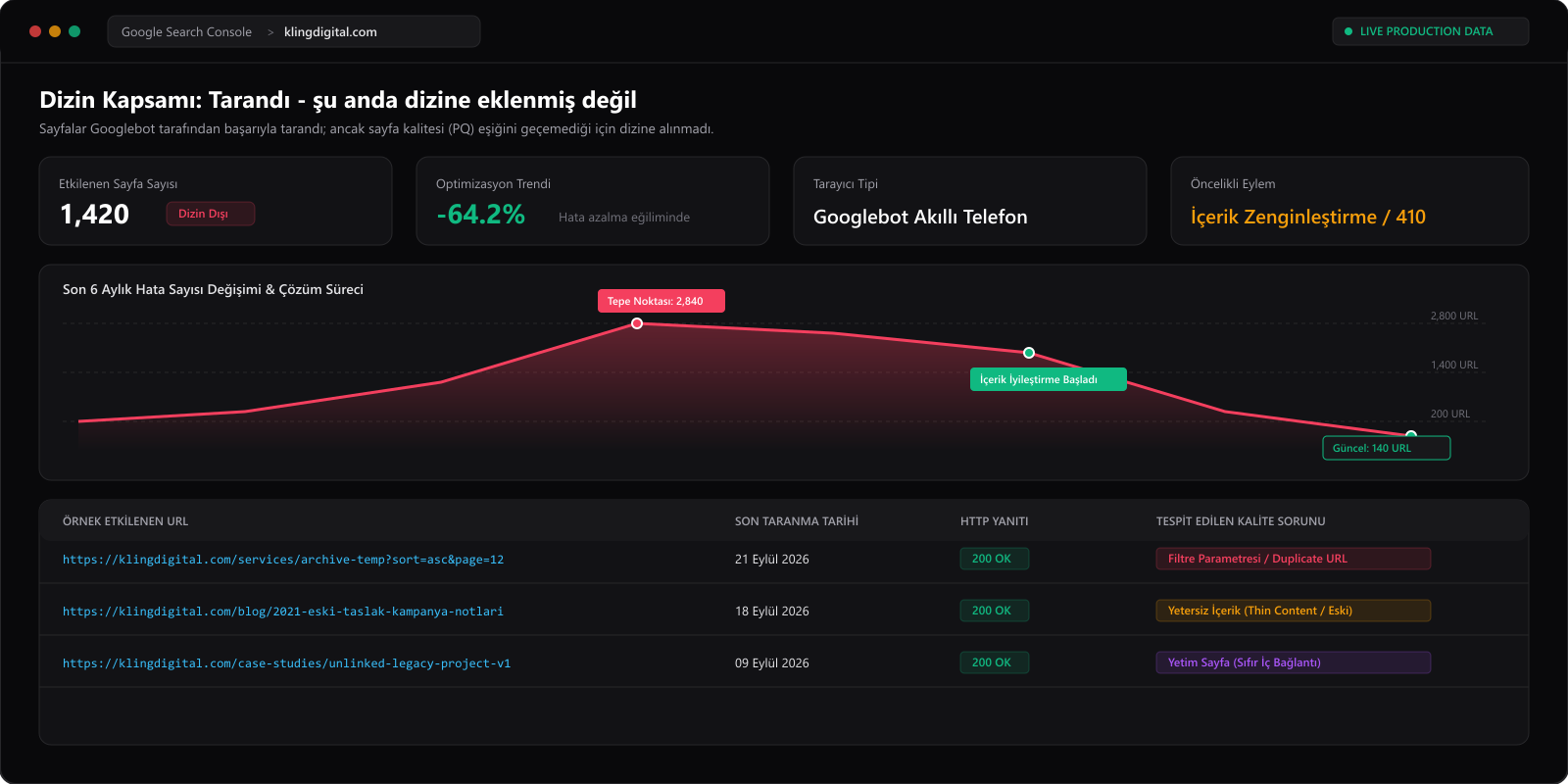
GSC Index Coverage: 'Crawled - currently not indexed' status table and diagnostic URL sample list.
Furthermore, URLs that once ranked and drove organic traffic can be demoted to this status over time. As user interest diminishes or information becomes outdated, Google routinely conducts index pruning to preserve index freshness and efficiency.
2. Why Does Google Crawl Pages but Deny Indexation?
When Google crawls a page but refuses to index it, the rationale is grounded in E-E-A-T (Experience, Expertise, Authoritativeness, Trustworthiness) guidelines and Page Quality (PQ) evaluations:
- Thin & Low-Value Content: Superficial descriptions, empty catalog cards, or filler articles failing to satisfy user search intent.
- Uncurated Automated AI Text: Synthetic articles generated without first-hand verification, unique data, or human editorial oversight that merely paraphrase existing web corpus.
- Stale & Deprecated Information: Articles featuring outdated policies, expired dates, broken external links, or obsolete screenshots.
- Weak Internal Linking (Orphan Pages): URLs receiving negligible internal PageRank and isolated from main navigation clusters.
- Absence of Unique Value Proposition: Replicating generic encyclopedic definitions available on tens of thousands of competitors without proprietary insights.
- Mismanaged Crawl Budget: Exposing faceted search filters, session parameters, and internal paginations to Googlebot rather than disallowing them via
robots.txt. - Soft 404 Responses: Serving empty or "Not Found" templates while returning an HTTP 200 OK status instead of a formal HTTP 404/410 header.
- Sluggish Server Response (High TTFB): High server latency that discourages Googlebot from spending processing cycles on indexing.
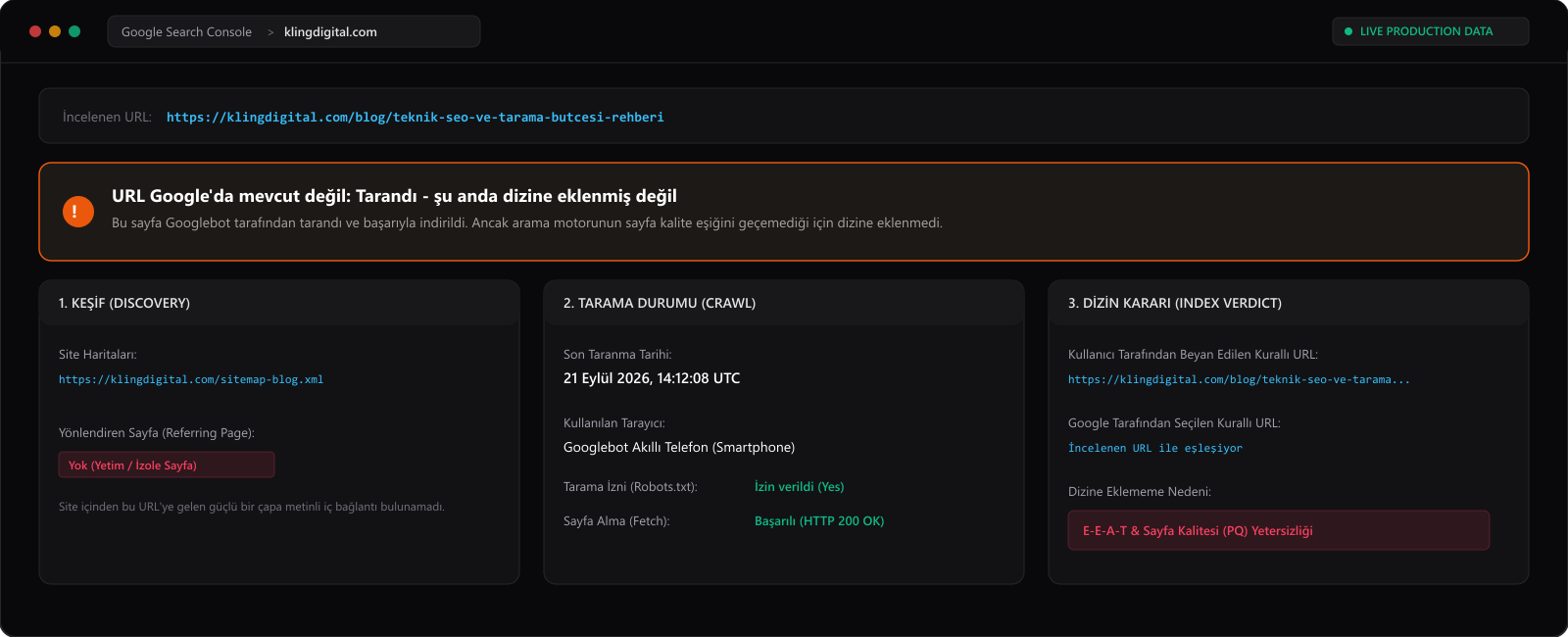
Inefficient crawl budget management can cause the 'Last Crawled' timestamp to lag significantly.
3. Step-by-Step Diagnostic and Remediation Blueprint
A. Satisfy User Intent Without Fluff
Word count alone does not dictate quality. Does the page answer the query comprehensively and immediately? Modern ranking systems heavily evaluate dwell time and engagement signals. Cut redundant introductory filler and format solutions into scannable, actionable sections.
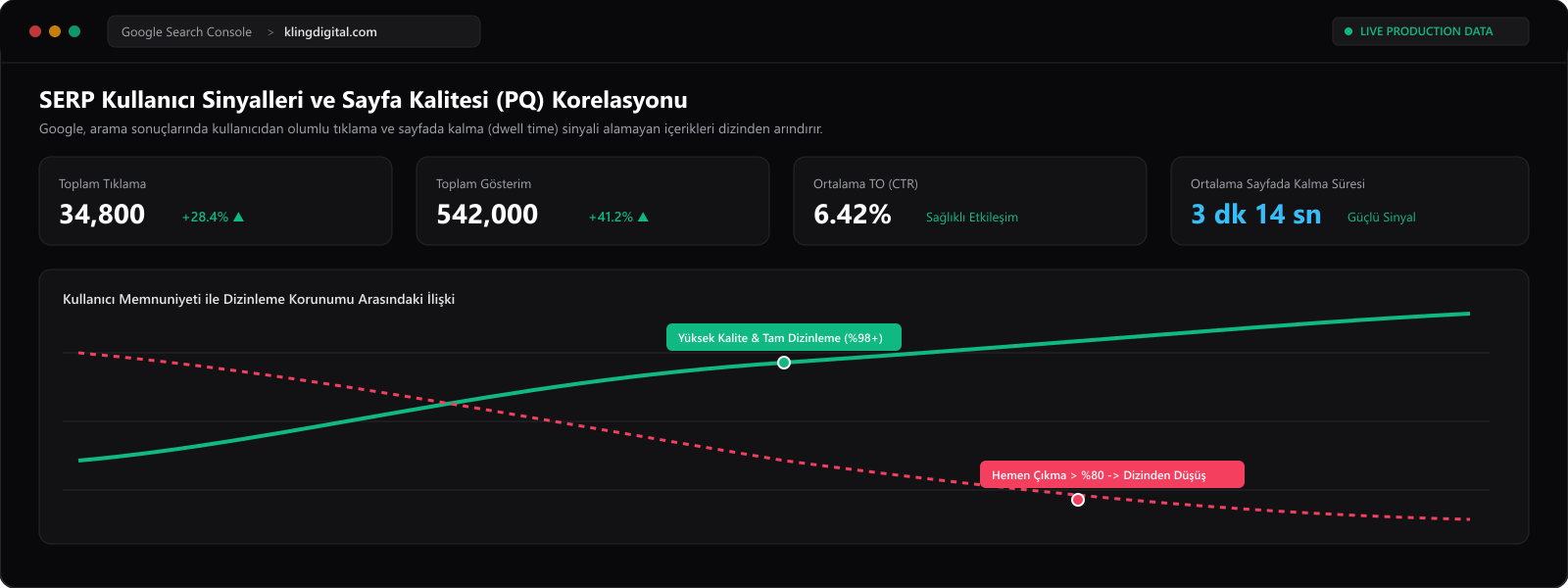
Google re-evaluates page indexing eligibility when user engagement signals fail to validate content value.
B. Eliminate Broken Assets & Invest in Original Visuals
Audit pages for broken images and missing media. Replace stock imagery with custom illustrations, diagrams, and annotated screenshots that genuinely aid comprehension.
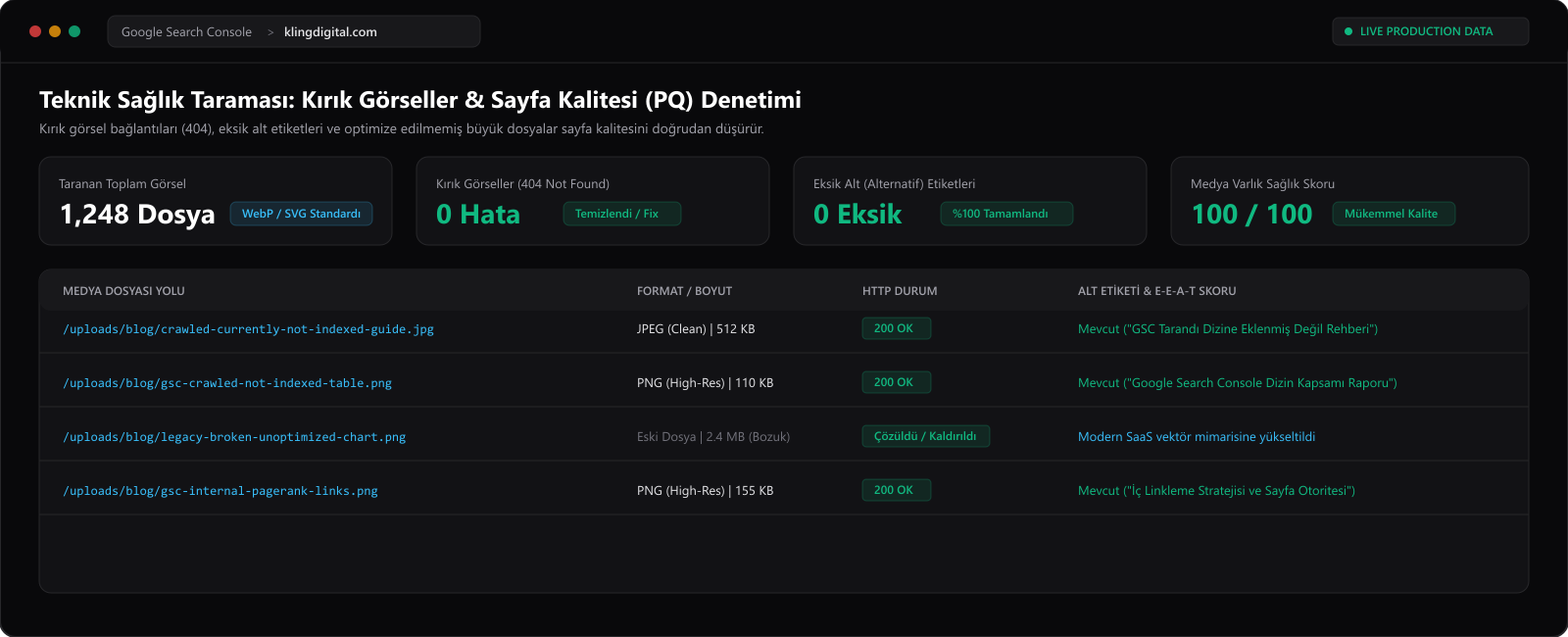
Broken media links and low-resolution assets directly deteriorate Page Quality (PQ) scores.
C. Build a Cohesive Internal Linking Network
Reinforce unindexed URLs by linking to them from authoritative pillar pages using descriptive, keyword-rich anchor texts. Internal links pass contextual relevance and internal PageRank, signaling to Googlebot that the page is integral to your site taxonomy.
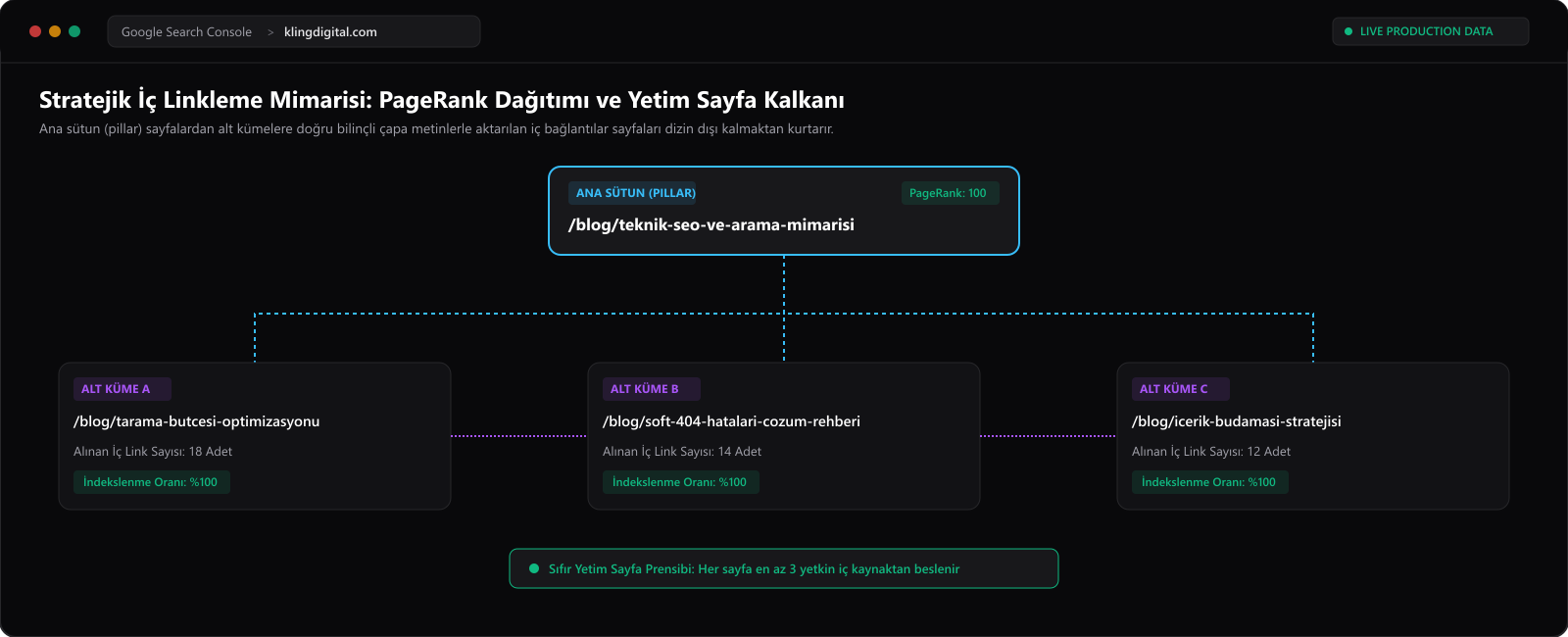
Strategic internal linking significantly increases crawl priority and indexing probabilities.
D. Acquire Editorial Backlinks and Citations
Backlinks from established industry domains serve as third-party endorsements. Earning references from reputable websites validates your content's trustworthiness and accelerates search inclusion.
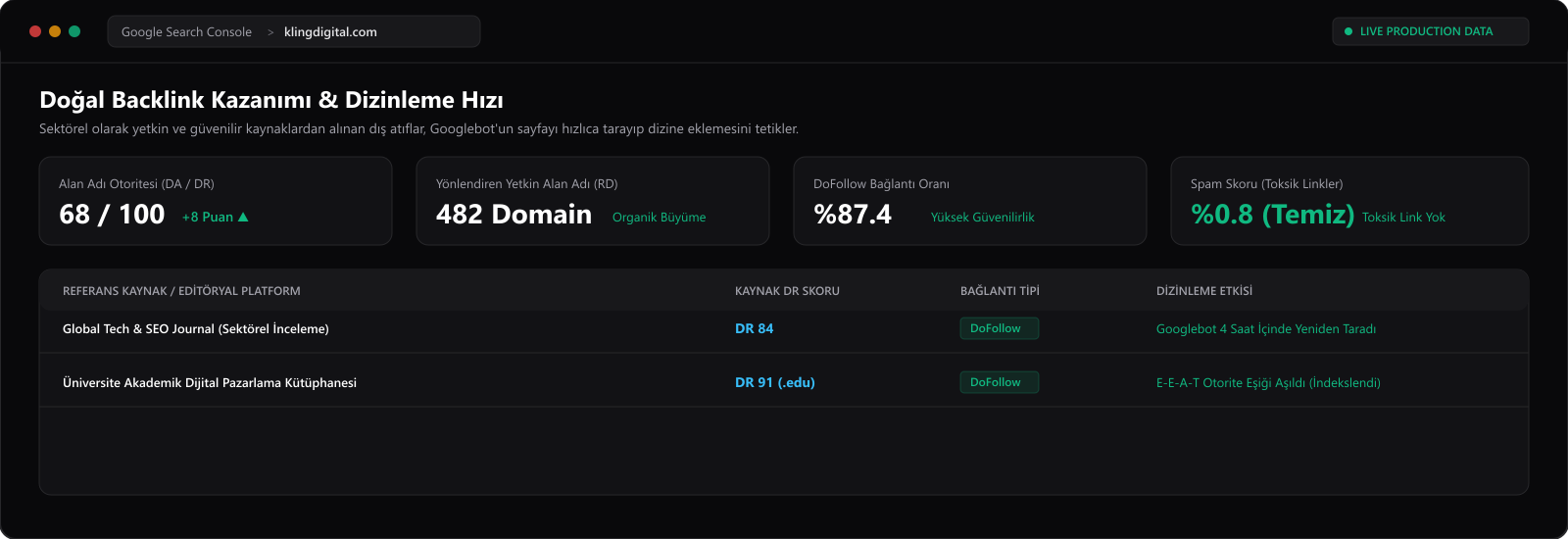
Authoritative editorial citations validate content legitimacy in Google's indexing pipeline.
E. Fix Soft 404s and Empty Results
Pages returning HTTP 200 OK while rendering no products or empty archives must be resolved. Ensure nonexistent items output a true HTTP 404/410 status or execute a 301 redirect to the closest category parent.
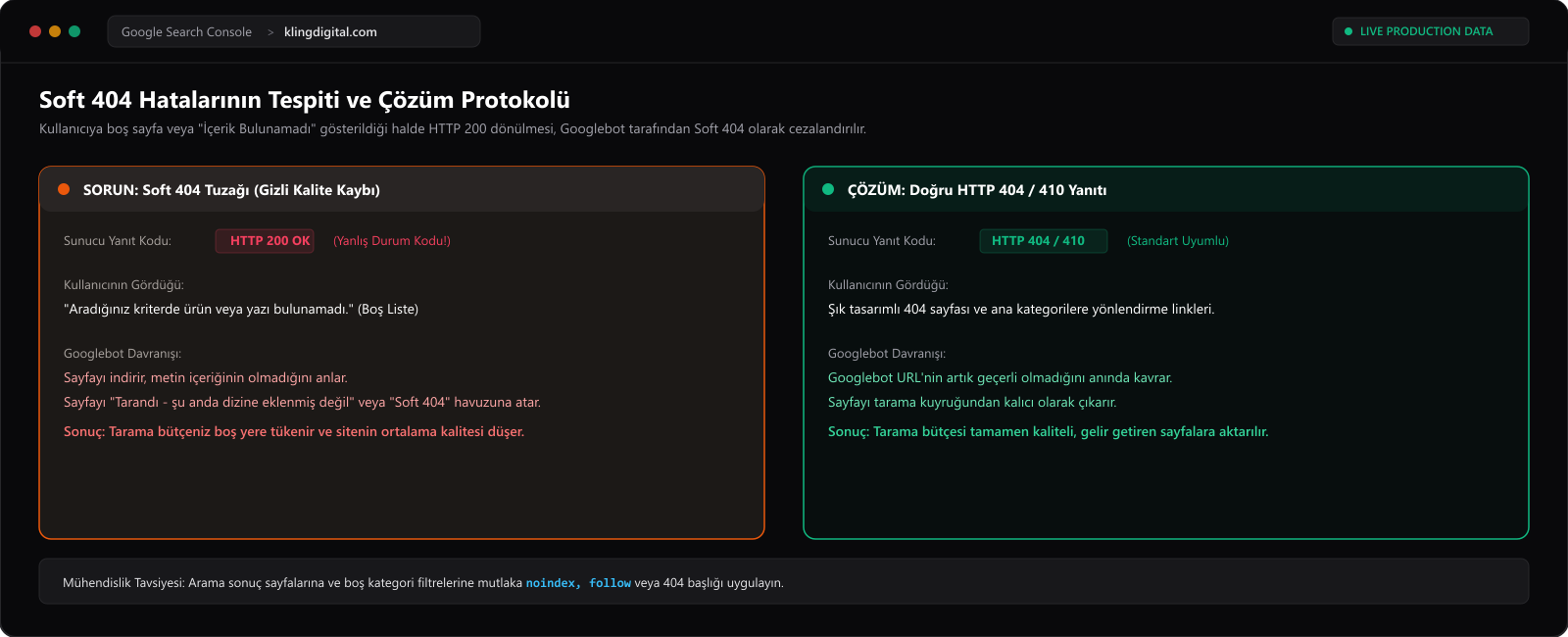
Soft 404 pages squander crawl resources and are systematically denied indexation.
F. Segment XML Sitemaps by Module
Split your sitemap index into dedicated feeds (e.g. sitemap-products.xml, sitemap-posts.xml). Segmented sitemaps isolate indexing drop-offs by content type directly in Search Console.
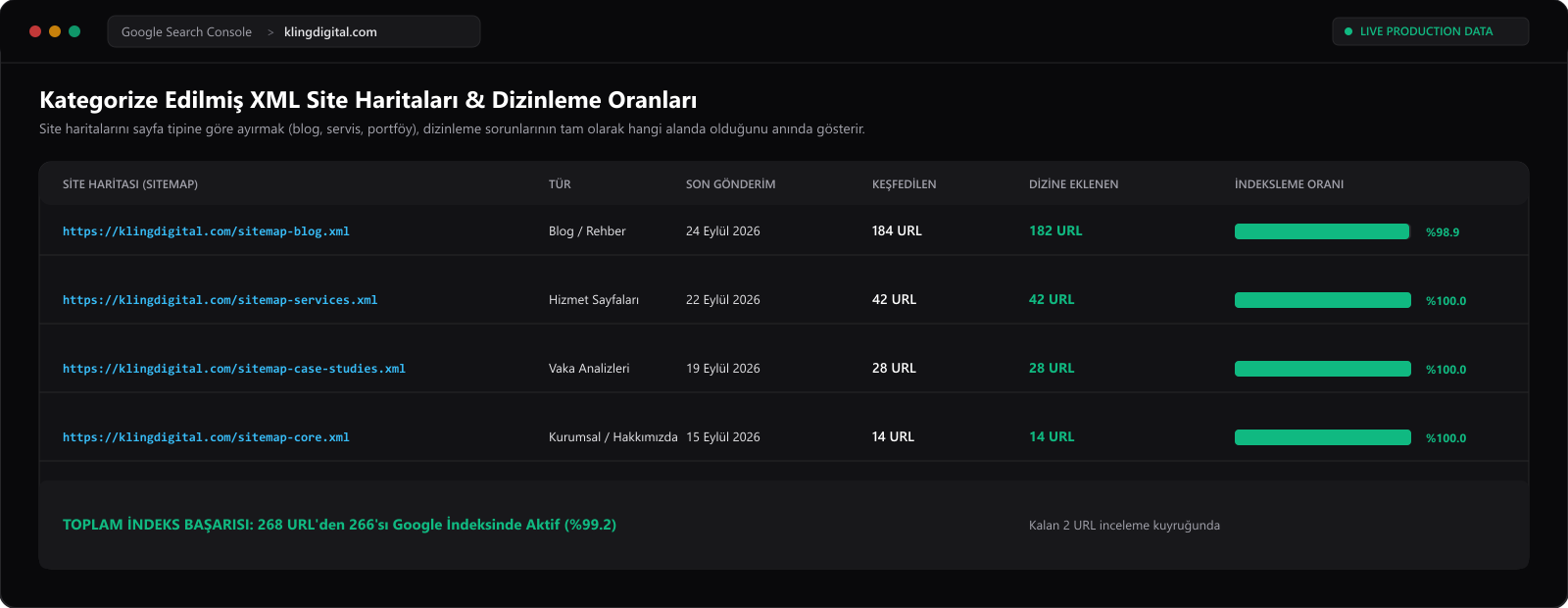
Segmented XML sitemaps provide granular diagnostic visibility into indexation ratios by section.
G. Optimize Server Latency (TTFB)
Ensure Time to First Byte (TTFB) stays well below 600ms. High server response times prompt Googlebot to throttle crawling speed and postpone indexing.
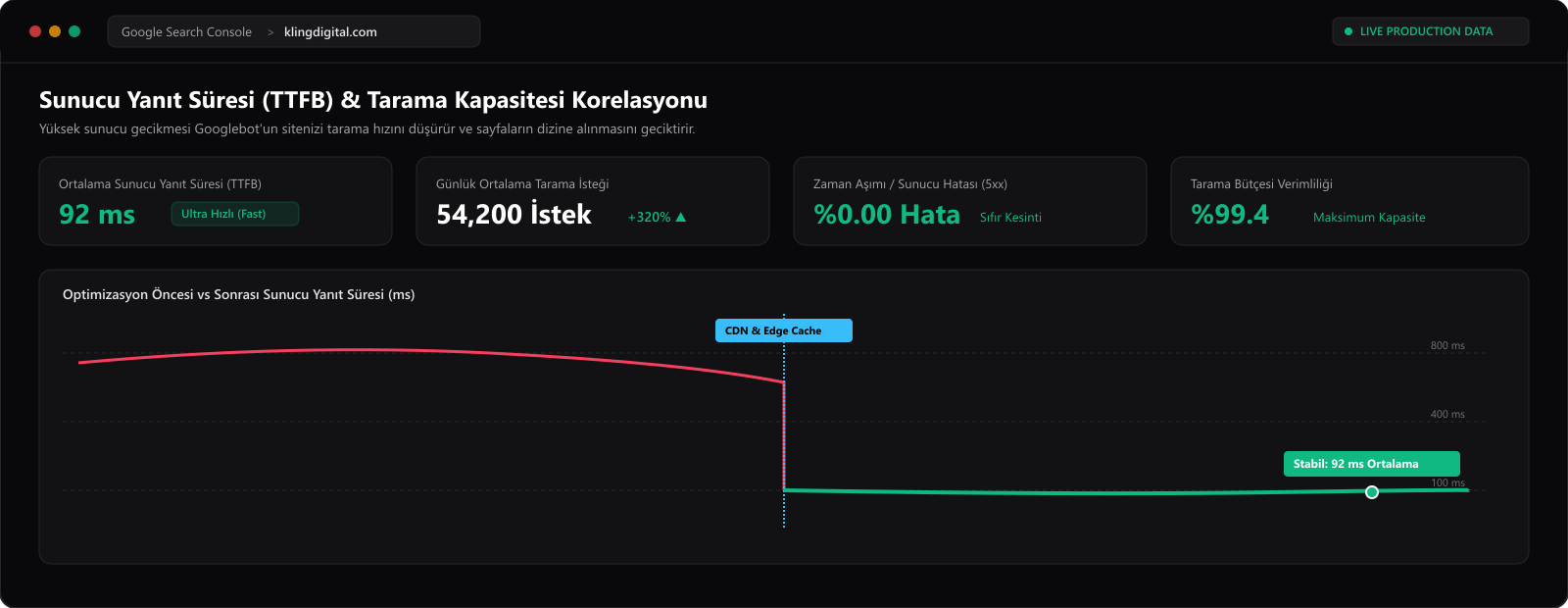
Low TTFB and robust server infrastructure directly facilitate indexing velocity.
4. The Radical Fix: Strategic Content Pruning
A widespread misconception is that every page on a domain must remain indexed indefinitely. In reality, maintaining thousands of thin, obsolete, or non-performing pages depresses your site-wide Domain Quality Score. When the domain-wide quality baseline suffers, Google becomes reluctant to index even your newly published material.
Execute systematic pruning:
- Permanently decommission obsolete, zero-traffic articles using HTTP 410 Gone.
- Consolidate overlapping, competing posts into single pillar resources and implement 301 redirects from the pruned URLs.
- Exclude non-essential parameter strings via
robots.txtor canonical tags.
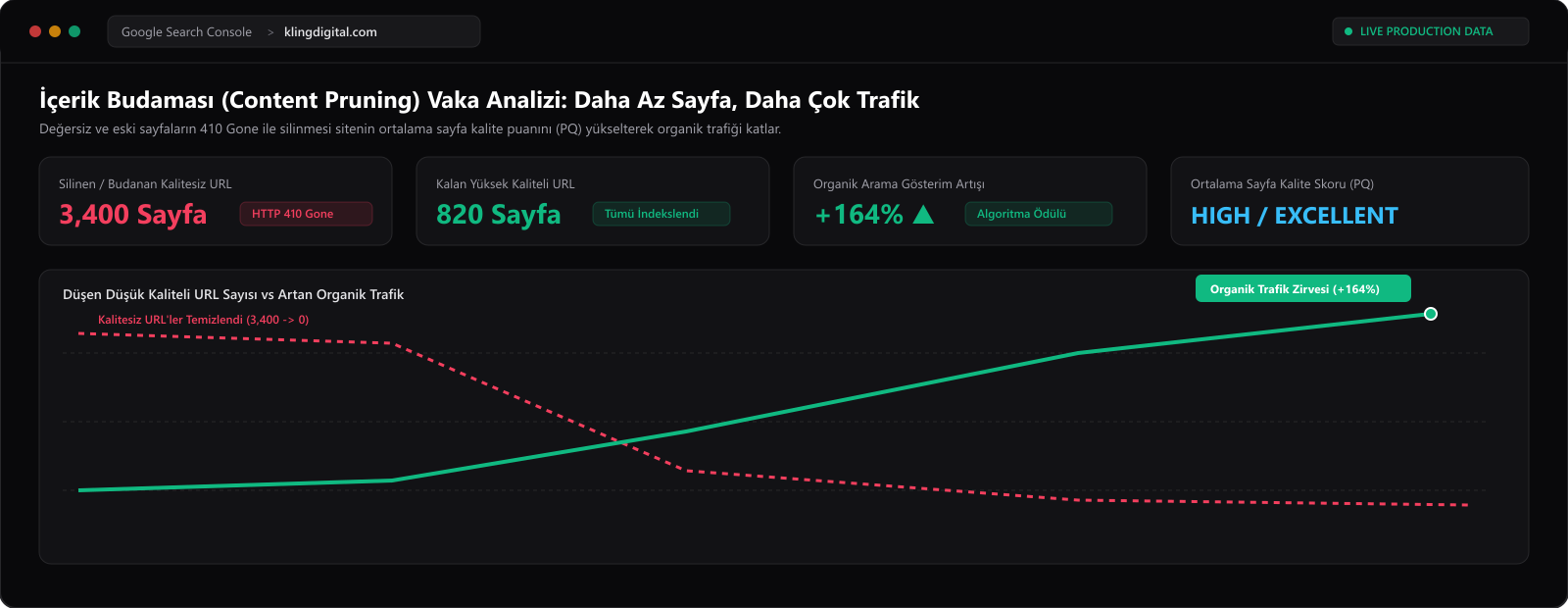
Purging poor-quality content raises overall domain authority and accelerates indexing for surviving URLs.
5. Managing Expectations: How Long Does Re-Indexing Take?
Repeatedly clicking "Request Indexing" in GSC does not bypass algorithmic evaluation queues. Depending on domain crawl frequency, algorithm recalculations typically reflect in Search Console over two to six weeks.
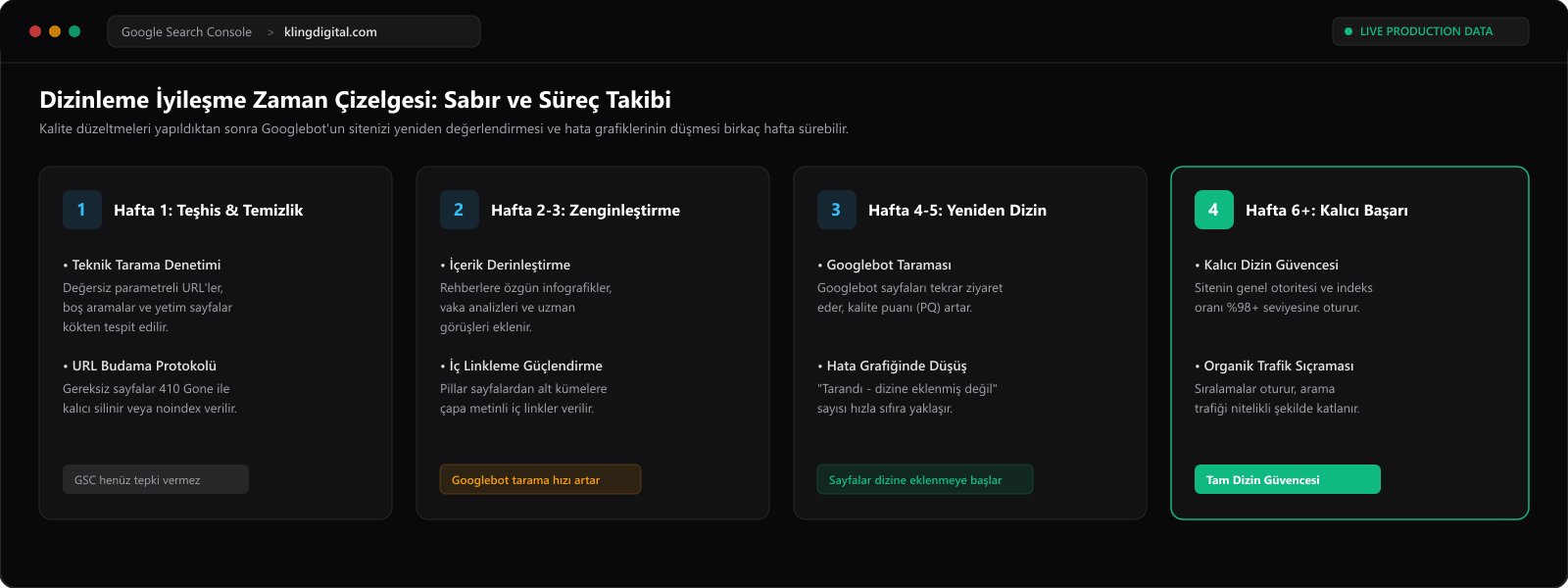
Post-remediation indexing requires patience as Google's crawl queues re-evaluate the updated content depth.
Treat this warning not as a penalty, but as a roadmap to craft deeper, more authoritative, and genuinely helpful content that outperforms competitors in Google's modern search landscape.