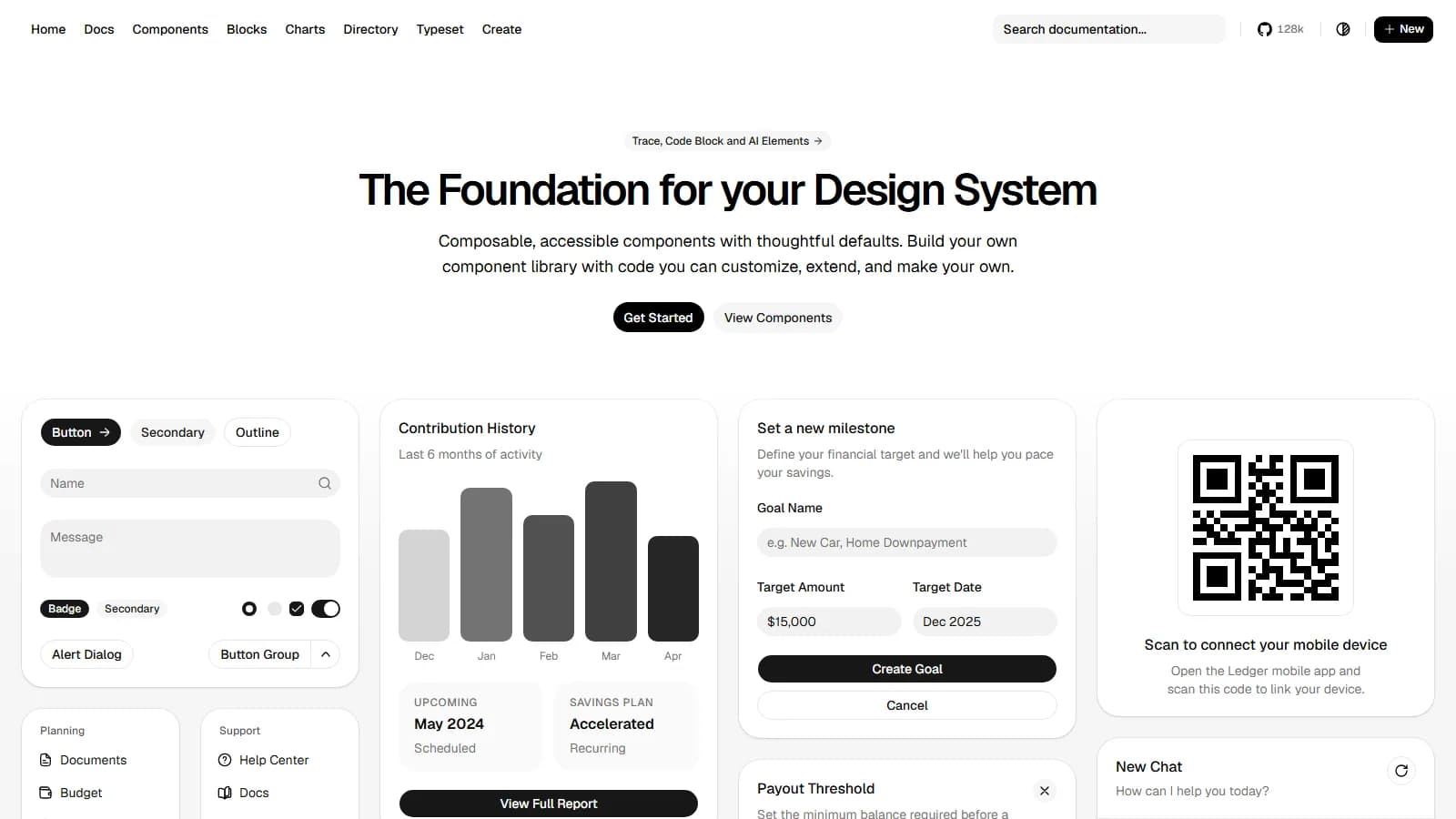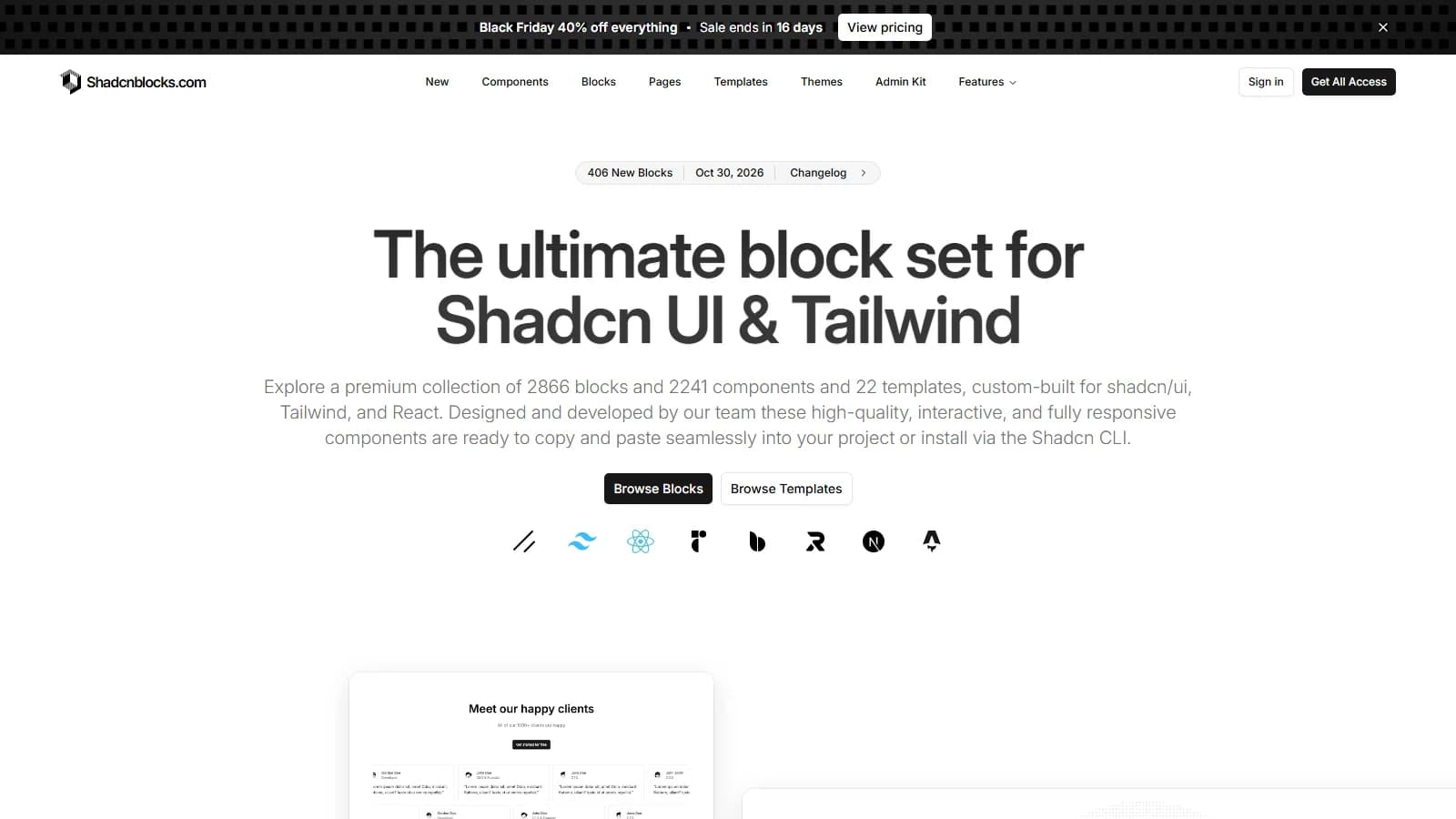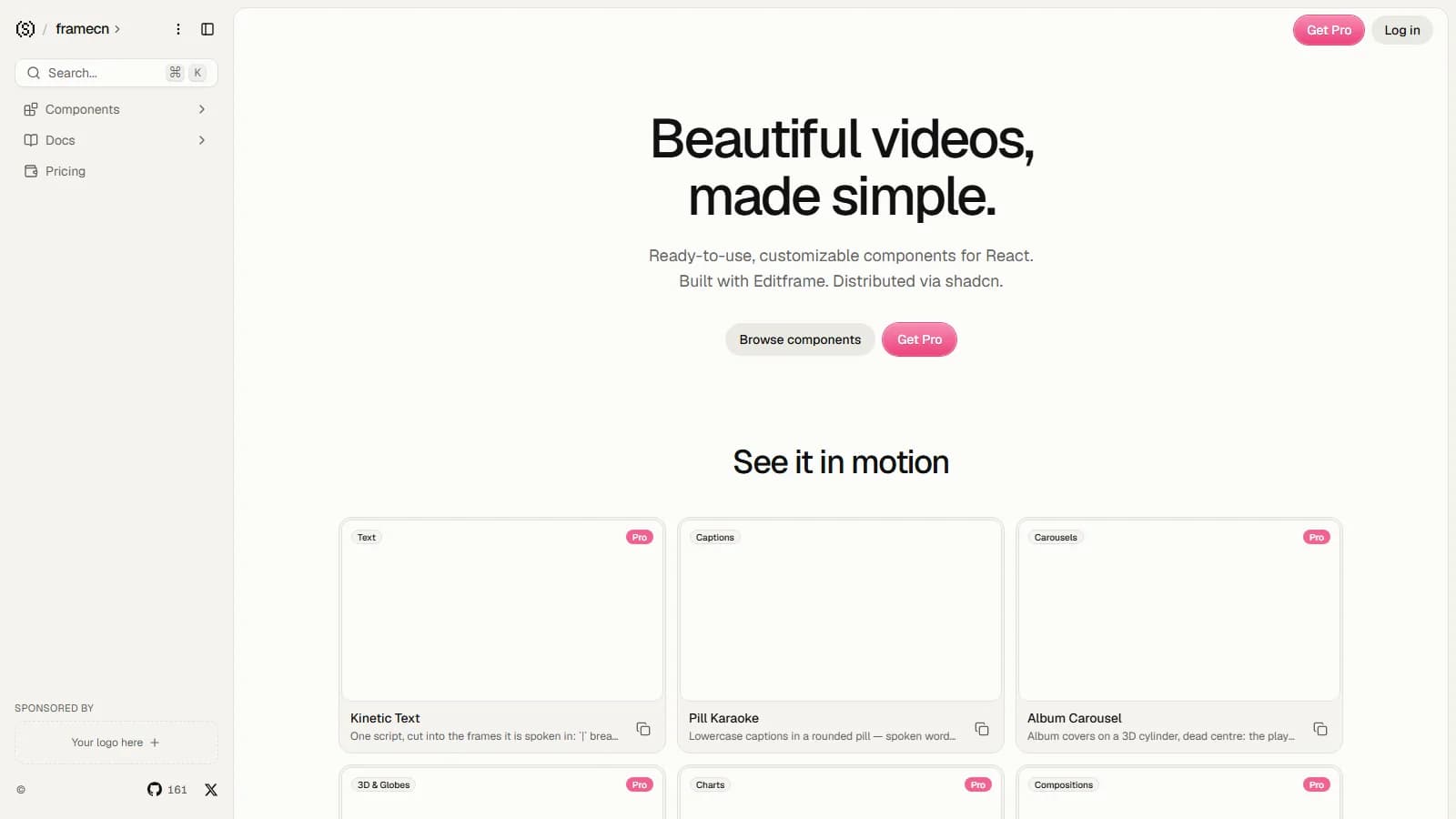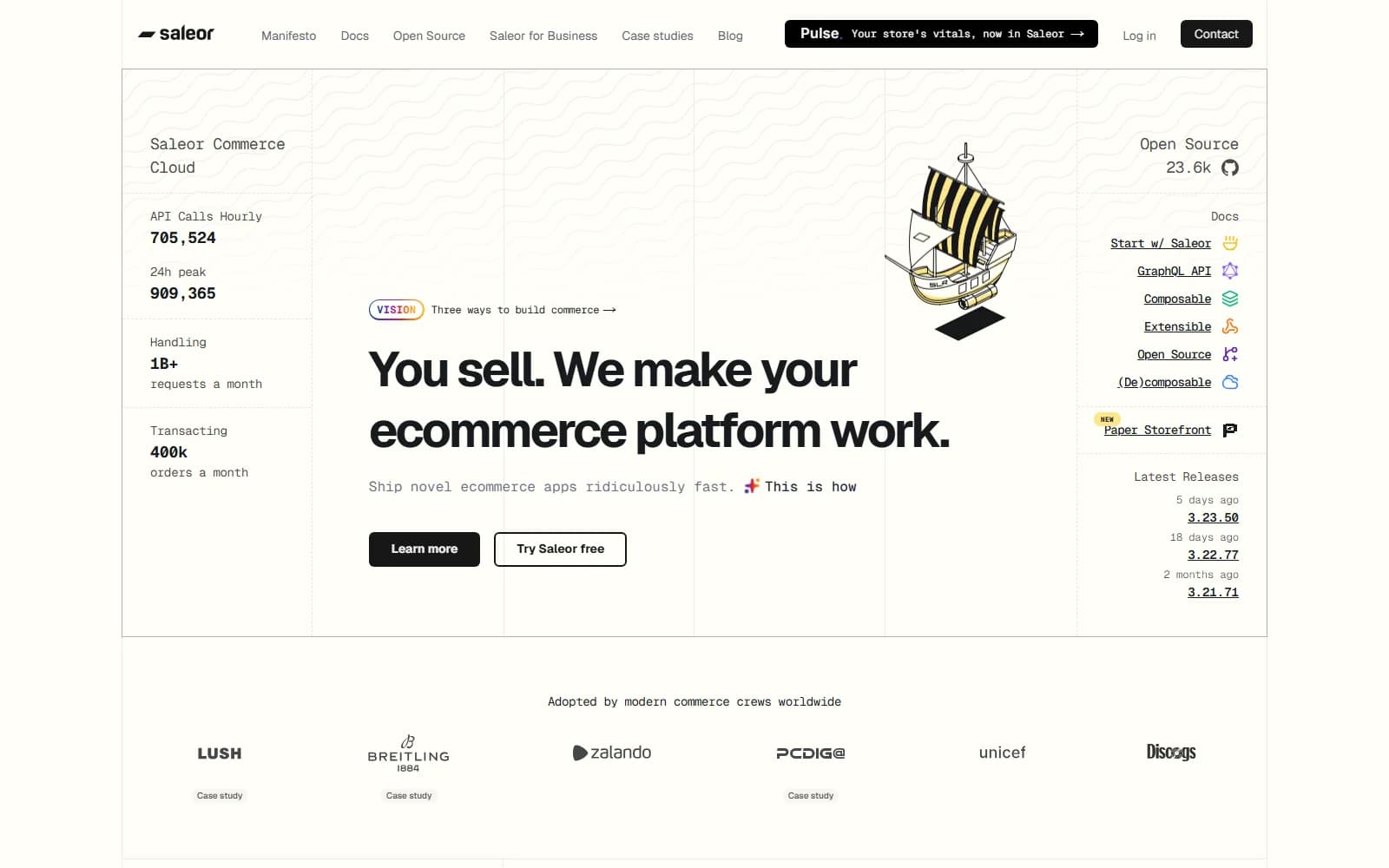
21st.dev is an open community registry hosting over 12,000 hand-crafted React, Tailwind CSS, and Radix-compatible UI primitives, full templates, and interactive WebGL shaders. Operating on the shadcn distribution model, the platform bypasses restrictive npm abstractions by copying clean TypeScript and Tailwind markup directly into repository trees. This approach grants engineering teams complete token ownership while allowing coding agents to pull production-tested interface patterns without markup hallucinations.
Developer Overview
21st.dev functions as a design engineering exchange where developers inspect live component states, explore Radix primitives, and copy source code via CLI. By introducing native Model Context Protocol endpoints, it bridges modern frontend asset registries with autonomous developer workflows, turning manual design implementation into deterministic code synthesis across enterprise repositories.
Open UI Registry Architecture and Frontend Bottlenecks Solved
Traditional enterprise frontends face continuous friction between monolithic design systems and rapid feature delivery. Bundled component libraries published to npm frequently lock applications into rigid abstraction layers, making deep customization painful through brittle CSS overrides and version mismatches. When developers need interactive hero sections, micro-interactions, or GLSL canvas backgrounds, they often spend days reverse-engineering visual assets. 21st.dev resolves this bottleneck by publishing composable UI primitives built directly on top of Tailwind CSS and accessible Radix UI primitives.
Because each asset lives as raw TypeScript code, engineering teams do not inherit opaque dependency chains or proprietary runtime wrappers. Platform contributors publish everything from multi-step onboarding modals to hardware-accelerated shaders with explicit prop interfaces. Teams audit the underlying logic prior to adoption, adjusting accessibility attributes, motion parameters, and brand tokens directly within their directory architecture. This eliminates vendor lock-in while equipping engineering teams with design patterns crafted by experienced design engineers worldwide.
CLI Installation, MCP Agent Prompts, and Next.js Integration
Developers interact with the platform through rapid browser previews powered by instant search shortcuts or direct CLI tooling. Running an npx command copies targeted components, helper utilities, and required dependencies directly into existing component folders, matching repository path conventions. Beyond manual installation, 21st.dev provides dedicated prompt outputs and an integrated Model Context Protocol server. This allows AI environments like Cursor and Claude Code to parse component source code, injecting validated layout structures straight into development streams without hallucinated code.
When integrating these components into complex web architectures, pairing source-copied primitives with dedicated Next.js development services guarantees optimal server component boundaries and route-level code splitting across production deployments. However, because community-contributed components frequently bundle heavy Framer Motion choreography or Three.js canvas contexts, frontend teams must proactively validate baseline performance impacts. Profiling hydration overhead and layout stability with a real-time web speed analyzer ensures that expressive visual primitives never degrade core user experience metrics or client memory consumption.
| Technical Dimension | Closed NPM Component Packages | 21st.dev Source-Copied Registry |
|---|---|---|
| Code Ownership | Locked in node_modules requiring brittle CSS specificity overrides across releases. | Copied directly into project directories for complete styling and token control. |
| Agent Integration | Coding agents hallucinate missing properties and generate broken Tailwind markup patterns. | Dedicated MCP server feeds validated React primitives directly to agent workflows. |
| Bundle Footprint | Imports opaque monolithic runtime wrappers that inflate production client bundle payloads. | Installs strictly declared peer primitives without hidden third-party runtime dependencies. |
| Token Flexibility | Constrained by rigid component APIs and unalterable vendor design tokens. | Engineering teams freely refactor internal JSX structure and Tailwind design tokens. |
Production Readiness, Bundle Discipline, and Practical Limits
While 21st.dev accelerates initial frontend delivery, shipping raw community primitives to production requires disciplined architectural screening. Contributed components exhibit varying degrees of ARIA compliance, occasionally omitting keyboard focus rings, screen reader announcements, or mobile touch boundaries. Furthermore, importing complex WebGL shaders or unconstrained layout animations can introduce significant JavaScript bundle bloat and frame drops on lower-powered client devices. Engineering organizations must establish rigorous code review protocols, verifying accessibility standards, bundle sizes, and open-source licenses before integrating community code into customer-facing production applications.
Kling Digital Engineering Note
The Kling Digital engineering team advises treating 21st.dev as an uncompiled raw asset registry rather than unquestioned production artifacts. Always extract shared motion variants into global design tokens, verify keyboard tab order on interactive modals, and isolate compute-heavy canvas shaders behind dynamic imports with explicit server-side fallbacks across customer routes.