Kling Digital
en
Contact
Kling Digital Editorial & Engineering TeardownDeveloper & DevOps Tools94/100

glimm.dev: GPU-Accelerated Shader Page Transitions for React & Next.js

WebGL shader-powered GPU page transition runtime for React and Next.js applications

Architectural breakdown of glimm.dev, an open-source ~11 KB runtime delivering GPU-composited shader page transitions across Next.js and React stacks.

Technical Specifications
Official Domainglimm.dev
Resource ClassOpen-Source Library
Pricing & LicensingOpen Source
Entry Price$0 (MIT Open Source)
LicenseMIT License
Supported Platforms
Web BrowserCLI & MCP
Built For
Software EngineerUI/UX & Product Designer
glimm.dev
60-Second Practical Workflow Recipe

Our recommended step-by-step sequence to extract tangible output within your first minute.

  1. 1Add the package to your project directory via terminal: npm install glimm
  2. 2Configure the TransitionProvider wrapper inside your root Next.js layout
  3. 3Attach glimm navigation triggers to destination links to initialize the shader runtime

Quick Install / CLI Command

npm install glimm

glimm.dev is an open-source page transition library built for React and Next.js applications that weighs roughly 11 KB. By offering HTML-in-Canvas rendering, custom color palettes, and GPU-driven composition, it eliminates animation bottlenecks tied to conventional DOM manipulation and CSS styling recalculations.

Engineering Summary

glimm.dev connects hardware-accelerated WebGL shader pipelines directly into the React component tree. It provides a micro-runtime that achieves 60+ FPS visual flow without stalling the main thread. Distributed under the MIT license, it ships native llms.txt documentation designed for autonomous AI coding agents.

Why It Caught Our Radar: Real Production Story

Modern web applications traditionally handle routing transitions via heavy libraries like Framer Motion or GSAP running opacity and transform math on the DOM layer. Swapping out substantial DOM trees causes the browser main thread to stutter while simultaneously tearing down and painting layouts, triggering micro-jank and degrading user interaction scores on mobile viewports. Engineering teams have long had to compromise visual ambition to preserve vital performance scores. glimm.dev bypasses this bottleneck by capturing outgoing and incoming views into WebGL textures and executing the morph directly on the graphics processor rather than recalculating layout geometry.

Under the Hood: Architecture, UX, and Tech Stack

The core engine operates on an ultra-lean slice of WebGL and Three.js shader pipelines. Whenever a page route fires, the active DOM state is mapped onto a Canvas surface and modulated using custom bandwidth parameters, easing functions, and GLSL fragment operations. In production Next.js development implementations, an integrated Router Wrapper couples smoothly with App Router layouts. Because composition runs directly within the GPU stack, visual reflow bugs are prevented across complex interactive pages. Teams monitoring transition overhead on Core Web Vitals should pair implementations with an independent speed tester to benchmark TBT and INP. Engineers assessing structural presentation layers can evaluate the framecn review as a complementary component paradigm.

Evaluation MetricConventional / DOM Workflowglimm.dev Approach
Execution ContextMain Thread (CPU / DOM Repaints)Hardware-Accelerated GPU (WebGL Shader)
Bundle Size Impact30 KB - 80 KB+ (Full animation libraries)~11 KB (Compressed micro-runtime)
Visual CapabilitiesStandard CSS transforms and opacity fadesGLSL fragment shaders, custom bands, and palettes
Agent IntegrationManual API reading and docs scrapingNative llms.txt optimized for AI workflows

When to Adopt vs. When to Avoid in Production

glimm.dev excels across agency portfolios, high-impact SaaS marketing funnels, and design-led storefronts where striking visual flow elevates brand perception without overloading CPU threads. Conversely, text-dense public services, legacy enterprise intranets running unsupported hardware, or restricted devices with disabled WebGL context should avoid it to prevent overengineering. In these strict environments, plain CSS view transitions remain the safer choice.

Kling Digital Architecture Note

Wrap your glimm.dev bootstrap inside a prefers-reduced-motion media listener. Gracefully bypassing shader pipelines on constrained devices preserves full accessibility while reducing mobile battery drain.
Honest Engineering Scorecard: Strengths & Trade-Offs

Where It Excels
  • Micro ~11 KB bundle running GPU-accelerated shader transitions without main thread overhead
  • Zero-config synchronization with Next.js App Router and standalone React component trees
  • Configurable GLSL easing curves, custom band parameters, and dynamic color palettes
  • Native llms.txt standard integration built directly for automated AI agent engineering
Real-World Constraints & Trade-Offs
  • Hard dependency on client-side WebGL hardware acceleration support
  • Canvas texture capture latency risks during dynamic inputs requiring live text selection
  • Early-stage ecosystem maturity running on provisional v0.4 production releases

Free-Tier Limits & Pricing Breakdown

Plan / TierPricingIncluded Scope & Hard Limits
Open Source (MIT)$0Full access to source code, zero commercial usage restrictions
Community Edition$0GitHub public issue resolution and community contribution pipeline
Developer License$0Royalty-free deployments with native llms.txt context support

Technical Frequently Asked Questions

Verified Alternatives & Companion Tools

Compare sibling platforms and complementary utilities evaluated in the same workflow domain.

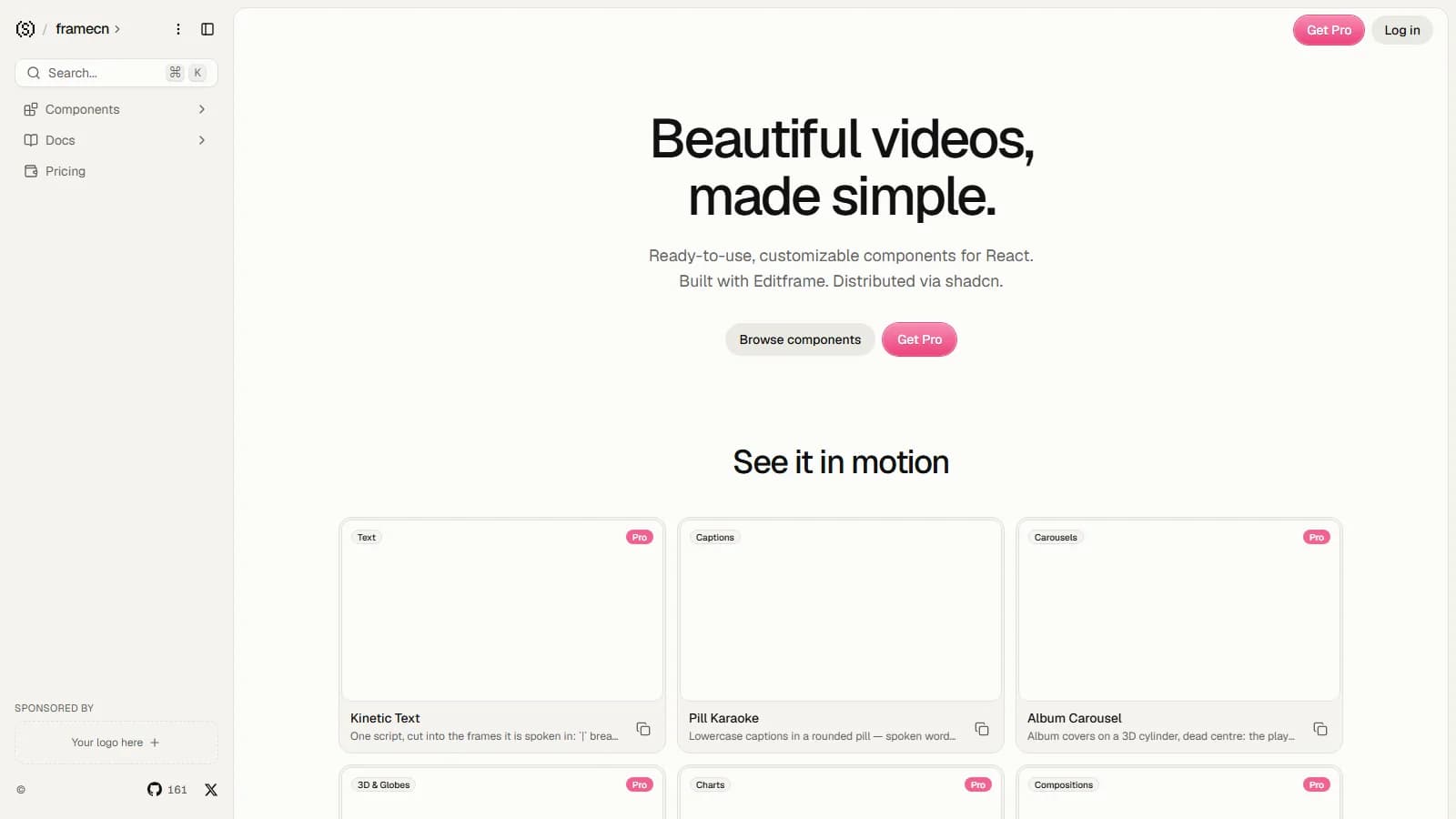
framecn: Programmatic React Video Components for the shadcn Ecosystem
framecn.devWeb Tool & SaaSFreemium93/100
framecn: Programmatic React Video Components for the shadcn Ecosystem

Programmatic video and animation layer powered by Editframe and delivered straight into your codebase via the shadcn CLI

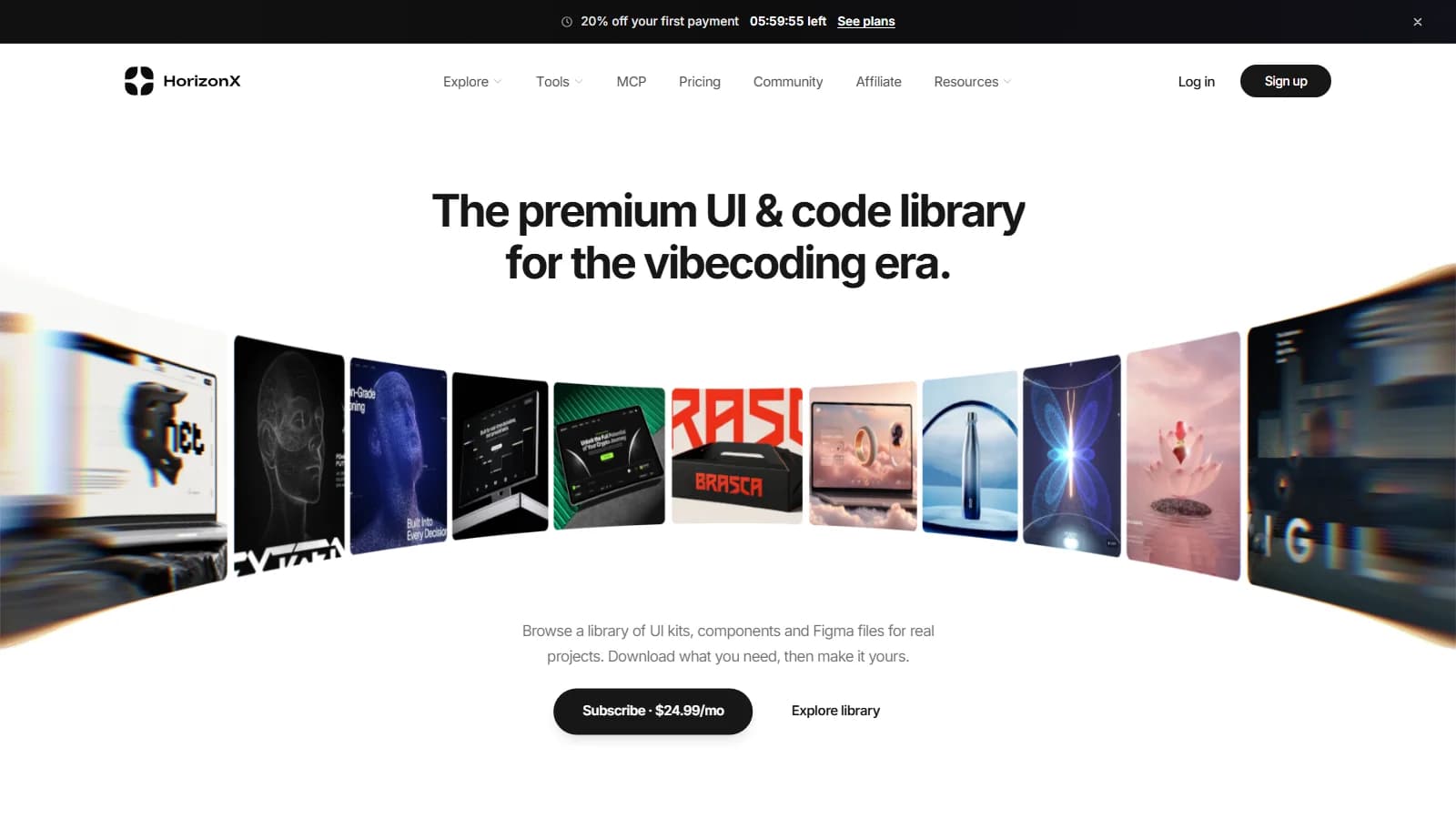
HorizonX Review: WebGL Shaders, 3D Assets & React UI Component Kit
horizonx.soDesign & UI ResourceFreemium92/100
HorizonX Review: WebGL Shaders, 3D Assets & React UI Component Kit

WebGL Shader Backgrounds and AI-Optimized React Component Library

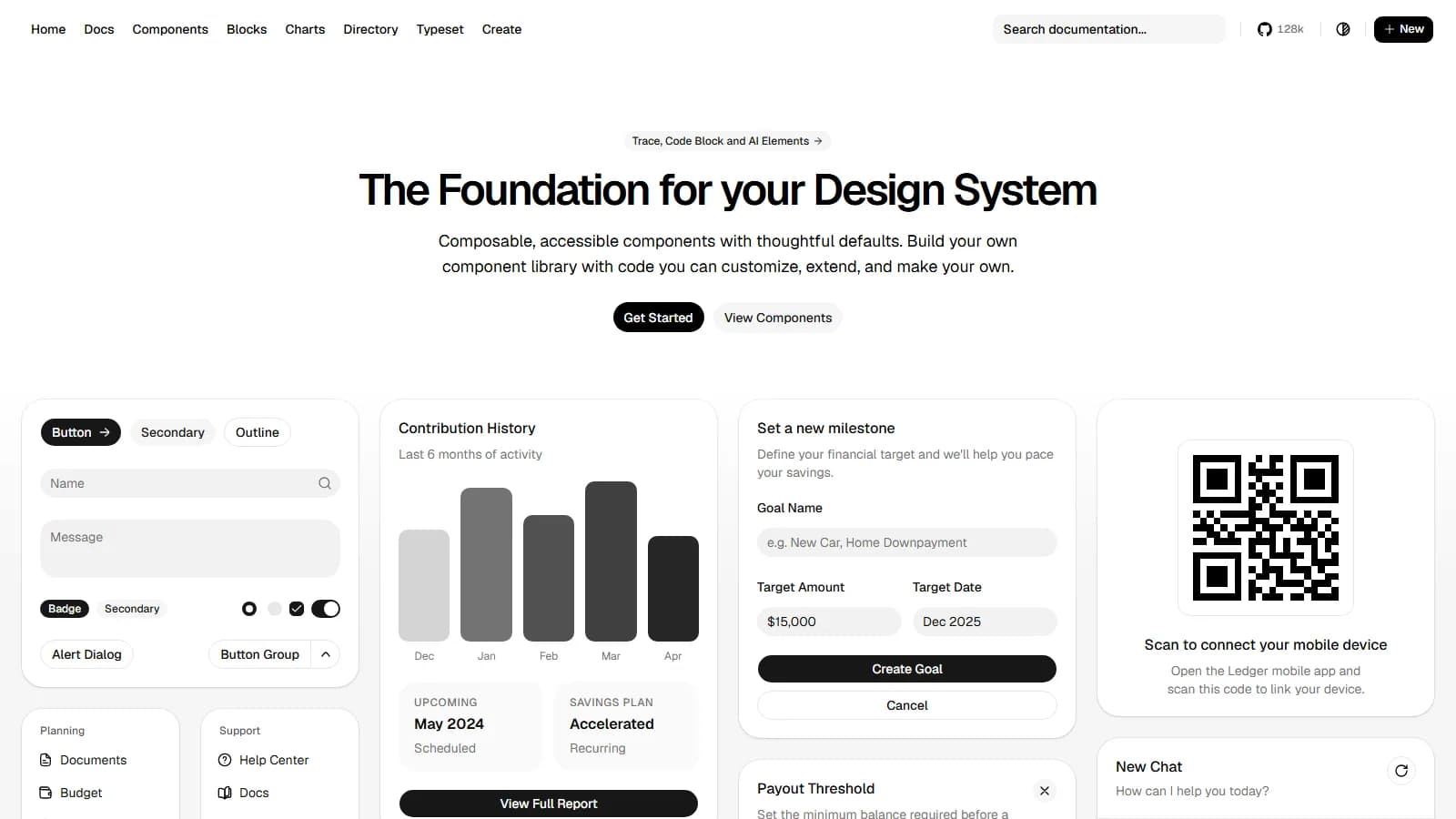
shadcn/ui Review: Open-Source Component Registry & Design System Foundation
ui.shadcn.comOpen-Source LibraryOpen Source98/100
shadcn/ui Review: Open-Source Component Registry & Design System Foundation

A copy-and-paste design system foundation for modern React and Next.js applications.

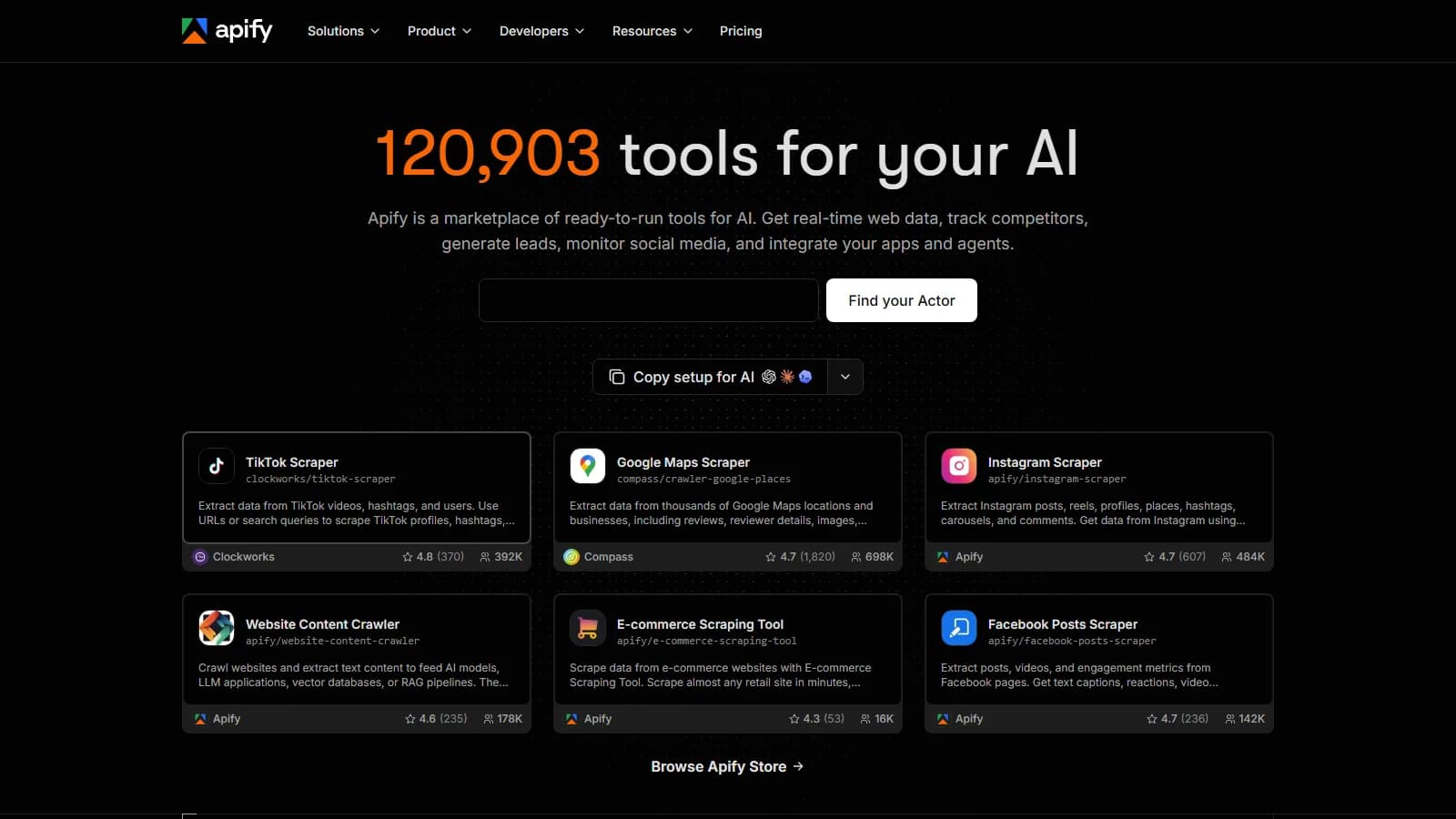
Apify: Serverless Web Scraping and Data Platform for AI Agents
apify.comWeb Tool & SaaSFreemium94/100
Apify: Serverless Web Scraping and Data Platform for AI Agents

Serverless scraper infrastructure that bypasses anti-bot defenses to feed real-time web data into AI agent pipelines.

Enterprise Architecture & Custom Integration

Need Custom Integration or a Proprietary Enterprise Alternative?

Kling Digital architects custom Next.js platforms, multi-tenant SaaS products, bespoke design systems, and autonomous AI agent pipelines tailored to your operations.