CrazyFace AI is a web-based visual editing platform that restructures facial expressions in static portraits and video sequences using natural language prompts, interactive vector control points, or preset emotion templates. The model manipulates the underlying latent space to project micro-emotions directly onto facial textures without breaking anatomical topology.
Engineering Summary
CrazyFace AI anchors the stochastic output of diffusion pipelines to deterministic WebGL vector handles. By tracking facial landmark points dynamically, the system redraws muscular movement parametrically while preserving identity retention. For corporate headshots and commercial ad shoots requiring expensive reshoots, this cuts revision cycles down to minutes.
Production Background: Solving Real Studio Bottlenecks
Advertising agencies and e-commerce studios frequently face a distinct production bottleneck: a catalog shot features flawless lighting and composition, but the model presents an unnatural smile or a blank stare. Traditional post-production workflows address this either through costly reshoots or tedious manual retouching involving Photoshop Liquify and frequency separation. However, manual warping often degrades micro-textures and distorts core identity.
CrazyFace AI resolves this friction by giving production teams direct parametric muscle manipulation instead of destructive pixel nudging. By dragging lip corners or eyebrow curves directly across the canvas, or prompting the engine to add a subtle, confident smirk, the frame updates photorealistically within seconds.
Under the Hood: Architecture and Tech Stack
The client layer is built on Next.js and React. Operating directly in the browser, a Canvas and WebGL-based SVG layer overlays manipulation handles across a detected 468-point facial mesh. When an operator drags a handle, coordinate deltas feed directly to the deep learning inference backend. The network locks the identity latent vector while re-synthesizing expression blendshape coefficients.
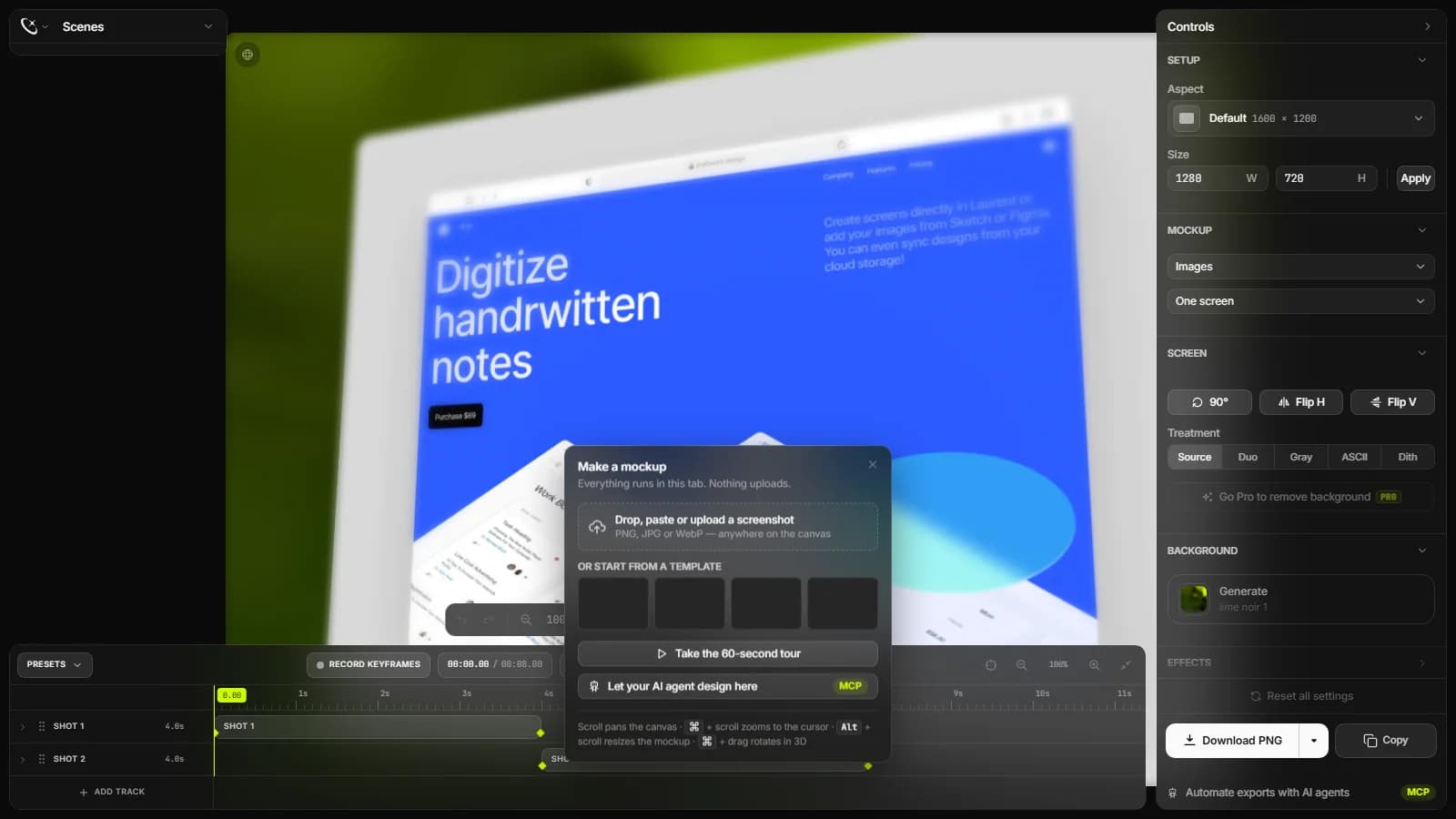
High-volume marketing teams scaling static assets into dynamic visual variations can leverage Kling Digital's AI solutions infrastructure to automate batch workflows. For broader layout and canvas mockup needs, explore our Shots.so review, and model your pipeline ROI using our cost calculator.
| Evaluation Metric | Traditional Workflow | CrazyFace AI Workflow |
|---|---|---|
| Manipulation Method | Photoshop Liquify and manual brush masking | WebGL vector handles and natural language prompts |
| Identity Retention | High deformation risk, prone to human error | Preserved via frozen latent space identity tensors |
| Video Frame Support | Manual frame-by-frame rotoscoping | Automated tracking and sequential frame synchronization |
| Turnaround Time | 20 to 45 minutes per asset | 3 to 8 seconds per inference prompt |
Production Use Cases: When to Deploy, When to Avoid
CrazyFace AI excels in social creative iterations, corporate headshot refinements, rapid A/B testing ad variations, and stock visual customization. However, it should not serve as an uninspected final output for 8K print campaigns, forensic document verification, or biometric-sensitive identity systems subject to regulatory scrutiny.
Kling Digital Architecture Note
In production pipelines, keep the 'Expression Intensity' parameter below 70% to avoid synthetic artifacts. When adjusting eye gaze vectors, verify that specular highlights on pupils remain physically consistent with the ambient lighting setup.