Design Spells is a curated design repository cataloging user-engaging micro-interactions, delightful easter eggs, and refined interface transitions across web and mobile platforms. Moving beyond generic UI components, it delivers more than 350 nuanced details to engineers and product designers through high-definition video loops paired with concise contextual commentary.
Engineering Summary
The platform replaces static screenshots with short video loops that display live DOM interactions to evaluate subtle UI behaviors. Driven by a lightweight Tailwind CSS architecture and a strict semantic taxonomy, it significantly shortens design research cycles. It serves as an industry benchmark for translating component-level animation ideas into CSS or Web Animations API implementations.
Why It Hit Our Radar: A Production Perspective
Modern SaaS interfaces increasingly converge into identical, monochrome patterns. While structured design systems ensure operational scale, engineering teams often sacrifice emotional micro-details under delivery constraints. When product managers request delightful polish, frontend developers rarely find concrete interaction references, causing these ideas to languish in backlog debt.
Design Spells bridges this gap directly. By indexing real production implementations from companies like Raycast, Linear, Stripe, and Vercel—such as Dynamic Island transitions, subtle skeleton loaders, and physics-driven button behaviors—it removes design ambiguity. It aligns designers and frontend developers through tangible production evidence rather than abstract wireframe concepts.
Under the Hood: Architecture, Interaction, and Stack
The platform relies on a clean Tailwind CSS layout free of non-essential JavaScript, optimized SVG iconography, and clean JSON-LD structured schemas that allow search engines to parse every pattern thoroughly. Each micro-interaction is delivered through lightweight MP4 loops optimized to demonstrate real browser rendering dynamics.
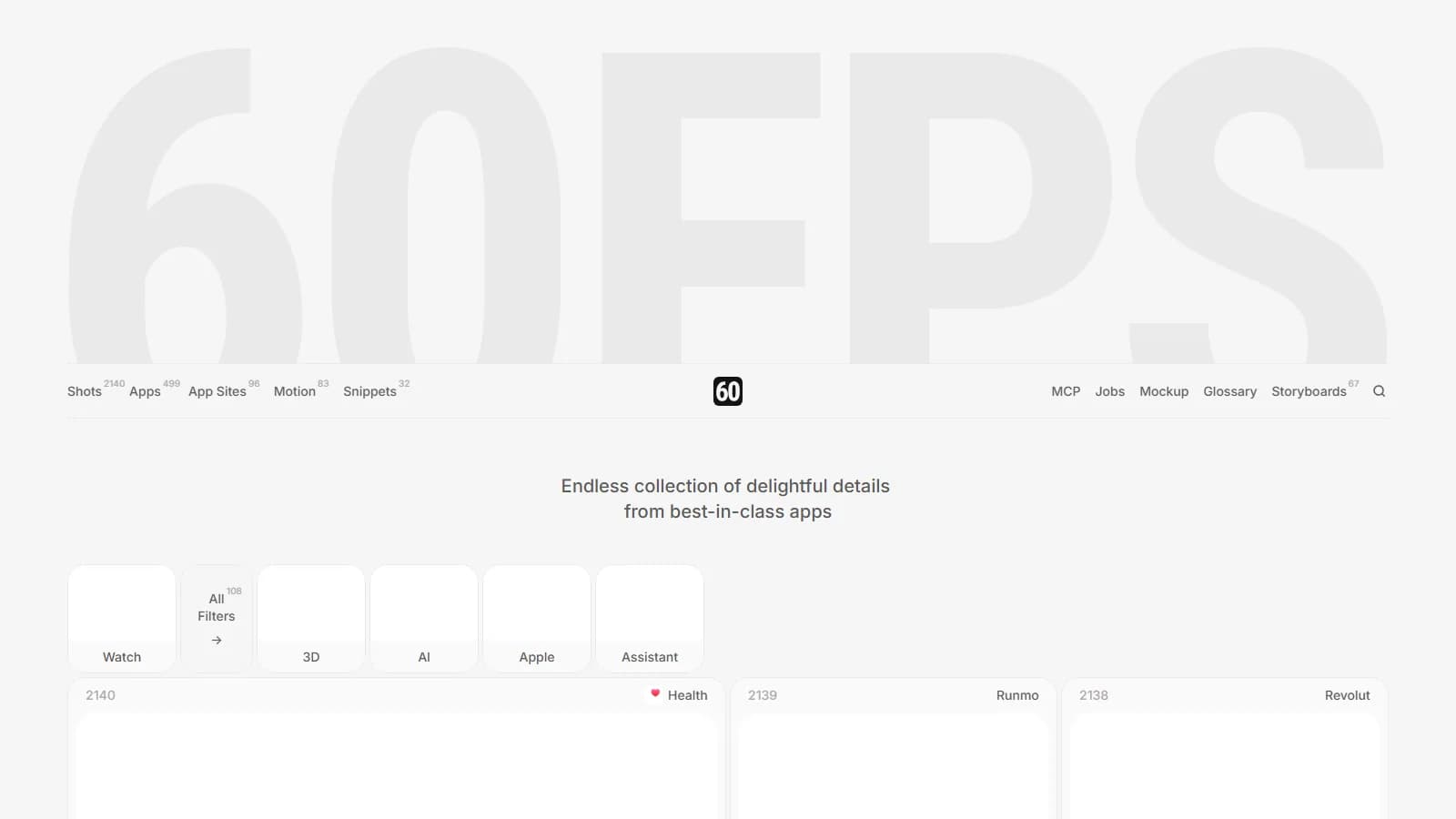
When engineering high-fidelity digital products through our specialized web design services, Kling Digital leverages Design Spells patterns to ground brand personality in concrete code behaviors. To ensure complex animations do not block the main thread and properly utilize GPU-accelerated transform properties, our engineers continuously validate frontends using our internal speed tester. For teams analyzing rendering frame rates alongside visual execution, our 60fps.design review covers runtime telemetry, while Design Spells focuses on interaction philosophy and user psychology.
| Evaluation Metric | Traditional Workflow | Design Spells Approach |
|---|---|---|
| Inspiration Format | Static PNG/Figma screens or conceptual Dribbble artwork | High-definition MP4 loops captured from live production software |
| Feasibility | Abstract mockups hard to implement in code | Production-tested DOM interactions ready for development |
| Taxonomy | Broad, cluttered visual design tags | Focused tags like easter eggs, audio cues, and haptic feedback |
When to Use and When to Avoid in Production
Design Spells serves consumer web apps, self-service SaaS onboarding flows, checkout processes, and empty state screens where emotional connection supports user retention. Product growth teams use it to source friction-reducing feedback loops.
Conversely, data-heavy enterprise portals with intensive keyboard workflows or public accessibility requirements should avoid gratuitous micro-interactions to prevent cognitive overload. Performance-critical e-commerce category pages should also prioritize minimal layout changes over decorative visual flourishes.
Kling Digital Architecture Note
Micro-interactions must always serve state communication, not visual decoration alone. Restrict CSS keyframes to transform and opacity properties, and implement the prefers-reduced-motion media query to respect users with vestibular sensitivities.