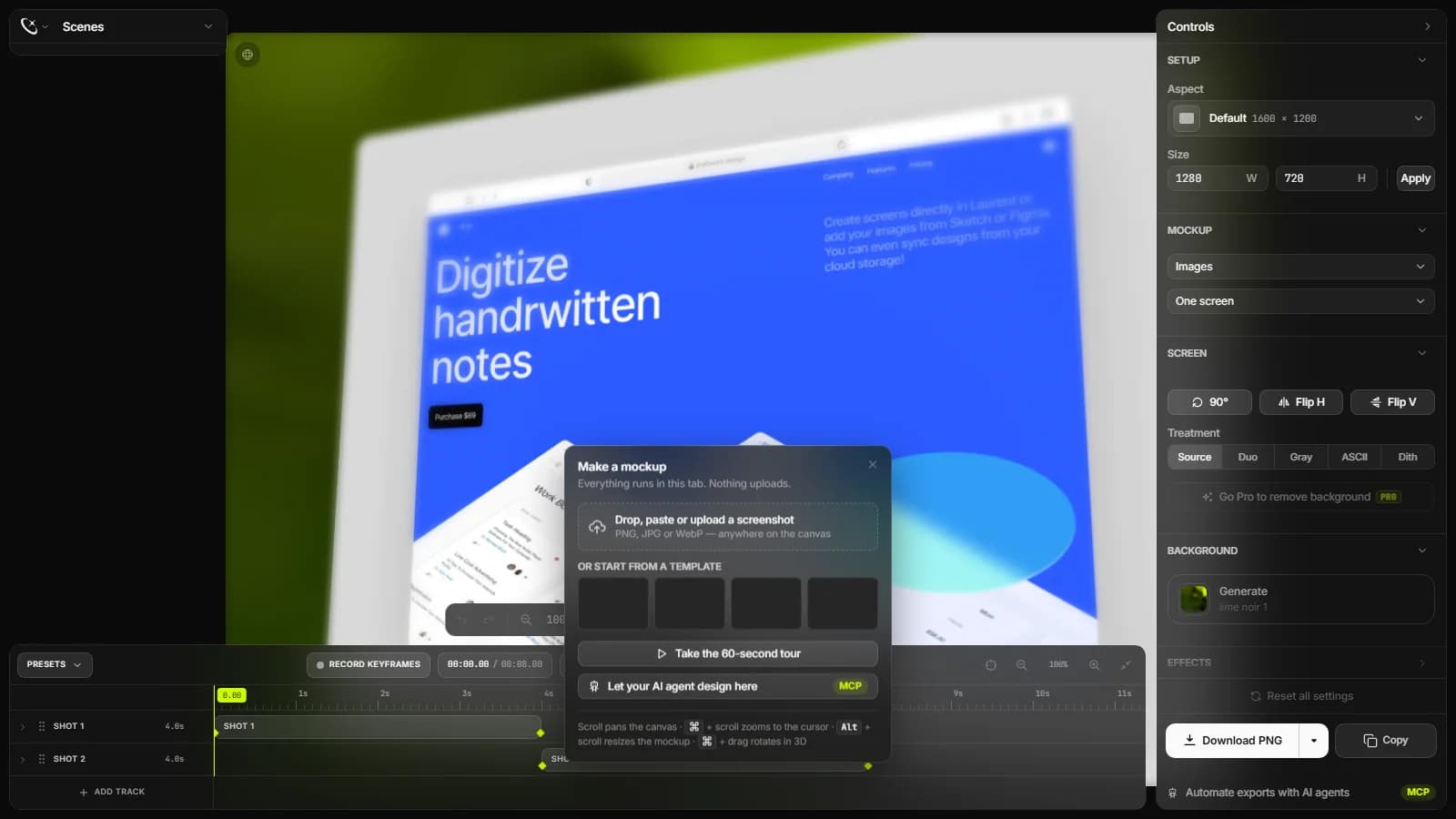
The Base is an open-access asset directory for digital product designers and frontend engineers, hosting high-resolution mockups, brutalist display typefaces, 3D graphics, and Framer templates. Built on Next.js and Tailwind CSS, the platform delivers production-grade resources directly, free from third-party advertising networks or complex membership paywalls.
Engineering Summary
Architected around the Next.js App Router and shadcn/ui component primitives, the platform maintains a minimal DOM footprint, enabling instant filtering and zero-latency navigation. Resources are indexed directly into Figma files, Framer packages, or raw vector and font formats, eliminating unnecessary intermediary steps during asset retrieval. This provides clean editorial curation that removes licensing friction during early design system exploration.
Why It Stood Out: Real Production Context
Mid-sprint design and engineering teams assembling concept decks or SaaS landing pages often face an unappealing dilemma: settling for bloated, generic assets on stock platforms or navigating expensive commercial repositories burdened by restrictive enterprise licensing. Moreover, legacy free asset portals frequently disrupt engineering focus with slow page loads, redirect traps, and intrusive ad layers.
The Base eliminates this friction at its core. It provides single-click access to Swiss-style typography, transit signage graphics, hardware device mockups, and contemporary SaaS Framer templates that engineers and designers can import straight into their Figma workspaces. Maintaining sub-second page transitions significantly lowers the search and verification overhead incurred during rapid prototyping.
Under the Hood: Architecture, Interaction, and Tech Stack
Technically, The Base leverages React Server Components on top of Next.js. Tailwind CSS and shadcn/ui primitives form the interface layer, ensuring strict accessibility compliance alongside an optimized stylesheet payload. Asset entries are structured with JSON-LD schema markup, detailing license terms, file extensions, and author attribution with complete transparency.
To help product squads construct consistent component hierarchies, the featured UI packages adhere to modular principles that align with Kling Digital's professional ui-ux design systems methodologies. Client-side caching keeps view transitions instant; you can benchmark similar responsiveness targets on your own web applications using our speed tester. When evaluating interactive presentation workflows, this static, asset-centric library pairs logically with document-driven automation engines, as examined in our Presenta review.
| Evaluation Metric | Traditional / Manual Workflow | The Base Approach |
|---|---|---|
| Licensing & Access Model | Forced sign-up, ad redirects, ambiguous usage terms | Direct one-click downloads, transparent editorial licensing |
| Interface Performance | Heavy ad scripts, sluggish filtering, poor LCP | Next.js and shadcn/ui foundation with zero-latency interaction |
| Curation Quality | Oversaturated, dated, and repetitive visual repositories | Curated brutalist typography, hardware mockups, modern templates |
When to Use and When to Avoid in Production
The Base functions effectively as a primary discovery repository during pitch deck development, fast SaaS MVP prototyping, or initial brand identity sprints. In particular, its Swiss-inspired editorial display typefaces and photorealistic hardware mockups immediately elevate product decks and presentation layouts.
Conversely, engineering teams should not rely on external, third-party libraries for fundamental icon sets or core application fonts inside enterprise design systems. These community-contributed assets lack formal versioning commitments or guarantees against upstream licensing shifts. Consequently, large-scale enterprise workflows should confine these assets to early-phase visualization.
Kling Digital Architectural Note
Never drop downloaded graphic assets directly into production bundles. Subsetting font files into WOFF2 formats and scrubbing raw SVG mockups through tools like SVGO is essential to prevent DOM bloating and keep network transfer sizes minimal.